

Analysis of the key technical points of photovoltaic support system
2025-06-17
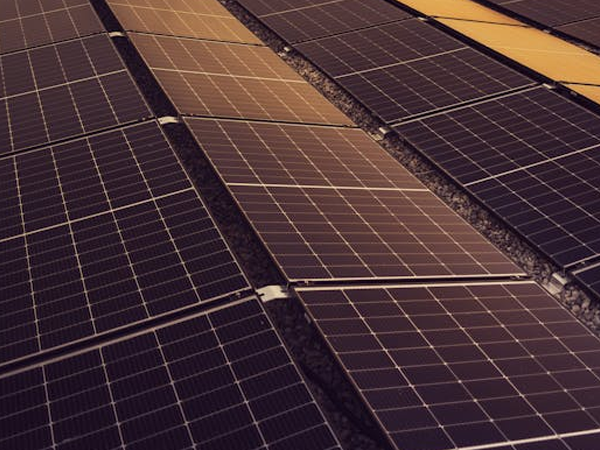
As the key supporting structure for photovoltaic power generation, the design of photovoltaic bracket system needs to comprehensively consider environmental adaptability, power generation efficiency and cost control. Through scientific tilt design and reliable fixing method, the bracket ensures that the photovoltaic modules are always in the best power generation position, while resisting environmental loads such as wind, snow and earthquake. At present, the mainstream bracket types include fixed, adjustable, single-axis and dual-axis tracking systems. Among them, fixed brackets dominate the market with simple structure and low cost (accounting for 15-20% of system cost), while the dual-axis tracking system has a higher cost (2.5 times that of fixed brackets), but the power generation gain can reach 28-35%, which is suitable for scenarios with high-efficiency power generation needs.
The bracket tilt design directly affects the power generation, and usually follows the principle of latitude adaptation: a larger tilt angle (latitude + 5°) is used in high-latitude areas (>35°), and a lower tilt angle (latitude - 5°) is appropriately reduced in low-latitude areas (<20°). The design process requires the use of professional software such as PVSYST and SAM to simulate meteorological data and analyze shadows to ensure that the components are not blocked during the winter solstice period from 9:00 to 15:00. The spacing must be reasonably controlled when arranging the array. The calculation formula is D=H×cot (θs)×cos (γ), and the flood and snow prevention requirements of a clearance of ≥0.5m must be met.
In terms of material selection, Q345B hot-dip galvanized steel (coating ≥85μm) and 6061-T6 aluminum alloy (yield strength ≥275MPa) are the mainstream and need to be selected according to environmental corrosion. The foundation form needs to be determined in combination with geological conditions. For example, a concrete foundation (bearing capacity 200-300kPa) is used for soft soil foundations, and an anchor foundation (300-500kPa) is suitable for rock foundations. The lightning protection design must meet the combined grounding resistance ≤4Ω, and safety is ensured by a separate lightning rod and equipotential connection system.
It is worth noting that intelligent operation and maintenance systems are becoming a trend. The configuration of inclination sensors (accuracy ±0.1°) and cleaning systems (12-15 times per year) can significantly improve power generation efficiency. The overall design must comply with the "Design Specifications for Photovoltaic Power Stations" GB 50797-2012 to ensure stable operation throughout the 25-year life cycle.
Next:
Recommended news
Photovoltaic tracking bracket, also known as solar tracking system, is an important technology in the field of solar power generation. By adjusting the illumination angle of photovoltaic equipment in real time, photovoltaic tracking bracket can increase the energy output of photovoltaic modules, thereby significantly improving the power generation efficiency of solar energy systems. This article will introduce the classification, working principle, application advantages and future development trends of photovoltaic tracking brackets in detail.
Photovoltaic bracket: escort for efficient use of solar energy
Recently, the development of the photovoltaic bracket field has once again become the focus of attention in the energy industry, and its important purpose in promoting the efficient use of solar energy and assisting energy transformation has become increasingly prominent.
Photovoltaic support design: key and innovation to support green energy
As an indispensable component in the solar photovoltaic power generation system, the design rationality, structural stability and adaptability of the photovoltaic bracket are directly related to the power generation efficiency, safety performance and service life of the photovoltaic power station. This article will deeply explore the core content and importance of this key technology from the aspects of the design principles, technical requirements, market applications and future development trends of the photovoltaic bracket.
Jiangsu Hongdi New Energy Technology Co., Ltd.
Tel: 13813575552
Email: jshdxn@163.com
Address: No. 55, Hongrun Road, Hongqiao Industrial Park, Taixing City, Jiangsu Province
Website: www.hongdisolar.com

Scan to visit the mobile version
Jiangsu Hongdi New Energy Technology Co., Ltd.