

Photovoltaic bracket: escort for efficient use of solar energy
2025-06-13
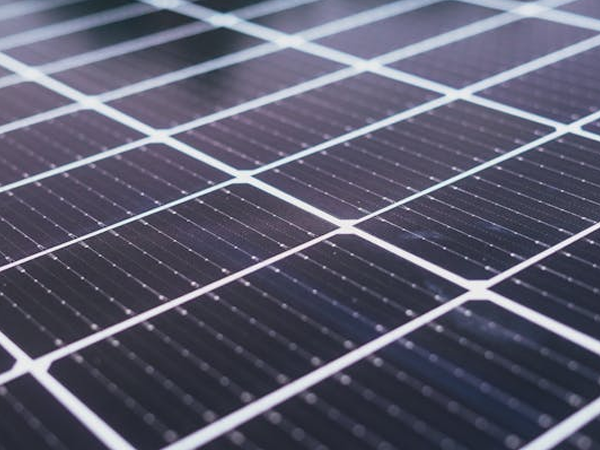
Recently, the development of the photovoltaic bracket field has once again become the focus of attention in the energy industry, and its important purpose in promoting the efficient use of solar energy and assisting energy transformation has become increasingly prominent.
From the perspective of basic support, the primary purpose of photovoltaic brackets is to provide a stable installation platform for photovoltaic modules. At the construction sites of photovoltaic power stations in various places, whether it is a vast desert, an open plain, or a limited space area such as a roof, a sturdy and reliable photovoltaic bracket ensures that the photovoltaic modules can be firmly fixed in a given position and are not affected by severe weather such as strong winds and heavy rains in the natural environment. For example, in a recent large-scale photovoltaic power station project in the northwest region, the construction team used photovoltaic brackets made of high-strength steel. After strict installation and commissioning, even in the strong wind weather common in the region, the photovoltaic modules can be kept firmly on the bracket and receive solar energy normally, providing a solid guarantee for the stable operation of the power station.
Improving power generation efficiency is another important purpose of photovoltaic brackets. Tracking photovoltaic brackets are particularly outstanding in this regard. They can adjust the angle of photovoltaic modules in real time according to the position of the sun, so that the photovoltaic modules always remain perpendicular to the sun's rays, maximizing the amount of solar energy received. According to relevant statistics, under the same conditions, the power generation of photovoltaic power stations using tracking photovoltaic brackets can be increased by 20% to 30% compared with those using fixed brackets. In a distributed photovoltaic project in the eastern coastal area, the owner selected an advanced tracking photovoltaic bracket system. After a period of operation, the power generation of the project increased significantly, which not only brought higher economic benefits to the owner, but also made important contributions to the local clean energy supply.
With the rapid development of the photovoltaic industry, the purpose of photovoltaic brackets in reducing costs has become increasingly important. On the one hand, bracket manufacturers have improved the production efficiency and reduced production costs of photovoltaic brackets by continuously optimizing designs and improving production processes. For example, some companies use modular design to make the assembly of brackets easier and faster, reducing the time and labor costs of on-site construction. On the other hand, in the construction process of photovoltaic power stations, the reasonable selection of photovoltaic bracket types and installation methods can effectively reduce the construction cost of the entire power station. For example, in mountainous areas with complex terrain, the use of small photovoltaic brackets with strong adaptability can reduce the investment in preliminary projects such as land leveling, thereby reducing the overall cost of the project. In addition, photovoltaic brackets also shoulder the important purpose of promoting sustainable development. In the production process, enterprises pay more and more attention to the use of environmentally friendly materials and green production processes to reduce the impact on the environment. At the same time, the widespread application of photovoltaic brackets has promoted the large-scale development and utilization of solar energy, reduced dependence on traditional fossil energy, reduced carbon emissions, and made positive contributions to addressing climate change and achieving sustainable development goals.
In the future, with the continuous advancement of technology and the continuous growth of market demand, photovoltaic brackets will continue to develop in the direction of high performance, intelligence, and low cost. Its role in the efficient use of solar energy and energy transformation will become more important, injecting strong impetus into the development of global clean energy.
Recommended news
Photovoltaic tracking bracket, also known as solar tracking system, is an important technology in the field of solar power generation. By adjusting the illumination angle of photovoltaic equipment in real time, photovoltaic tracking bracket can increase the energy output of photovoltaic modules, thereby significantly improving the power generation efficiency of solar energy systems. This article will introduce the classification, working principle, application advantages and future development trends of photovoltaic tracking brackets in detail.
Photovoltaic bracket: escort for efficient use of solar energy
Recently, the development of the photovoltaic bracket field has once again become the focus of attention in the energy industry, and its important purpose in promoting the efficient use of solar energy and assisting energy transformation has become increasingly prominent.
Photovoltaic support design: key and innovation to support green energy
As an indispensable component in the solar photovoltaic power generation system, the design rationality, structural stability and adaptability of the photovoltaic bracket are directly related to the power generation efficiency, safety performance and service life of the photovoltaic power station. This article will deeply explore the core content and importance of this key technology from the aspects of the design principles, technical requirements, market applications and future development trends of the photovoltaic bracket.
Jiangsu Hongdi New Energy Technology Co., Ltd.
Tel: 13813575552
Email: jshdxn@163.com
Address: No. 55, Hongrun Road, Hongqiao Industrial Park, Taixing City, Jiangsu Province
Website: www.hongdisolar.com

Scan to visit the mobile version
Jiangsu Hongdi New Energy Technology Co., Ltd.