

Material selection strategies for photovoltaic brackets in different scenarios
2025-06-15
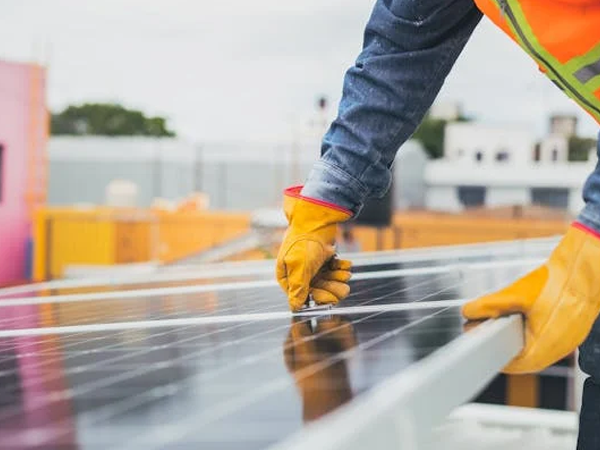
(I) Large-scale ground power stations
Large-scale ground power stations cover a large area, with large-scale component laying, and have high requirements for the load-bearing capacity and stability of the bracket. Steel brackets have become a more suitable material for large-scale ground power stations due to their good strength and rigidity. Large-scale ground power stations are usually built in open wastelands, deserts or mountainous areas, which may face certain wind forces, snow loads and complex geological conditions. The high-strength characteristics of steel brackets enable them to withstand the weight of components and natural loads, helping to ensure that the entire power station operates relatively stably in harsh environments. In some large-scale photovoltaic power stations in desert areas, strong winds may occur. Steel brackets can withstand the invasion of strong winds with their rigidity, reducing the risk of bracket deformation and component damage. Steel has strong weldability, which is convenient for large-scale on-site processing and assembly, and can meet the needs of large-scale ground power stations for bracket construction and installation. Through welding technology, the various components of the steel bracket can be firmly connected to form a stable structural system, improve construction efficiency and reduce construction costs.
(II) Rooftop distributed power station
The installation location of the rooftop distributed power station is special, and there are strict requirements on the weight, aesthetics and impact of the bracket on the roof structure. Aluminum alloy brackets have certain advantages in these aspects. Since it is installed on the roof of the building, the bearing capacity of the roof is limited. The light weight of the aluminum alloy bracket can reduce the load-bearing pressure of the roof and reduce the need for renovation of the roof structure. When installing photovoltaic power stations on the roofs of some old buildings, the aluminum alloy bracket will not bring too much burden to the originally fragile roof structure, reducing the construction risk and cost. In industrial and commercial rooftop distributed photovoltaic projects, the lightweight characteristics of the aluminum alloy bracket make the installation process more convenient and can be completed without affecting the normal operation of the building. The aluminum alloy bracket has good aesthetics, and its surface can be treated in a variety of ways, such as anodizing, fluorocarbon spraying, etc., so that it presents different colors and gloss, and is well integrated with the appearance of the building. In some commercial buildings or residential areas that have requirements for the appearance of the building, the aesthetics of the aluminum alloy bracket can meet the owner's pursuit of the overall aesthetics of the building and improve the acceptability of the project. In addition, the corrosion resistance of the aluminum alloy bracket also enables it to operate more stably in the roof environment, reducing maintenance and replacement costs.
(III) Special environment power station
In special environments such as the seaside, high humidity, and strong corrosion, photovoltaic brackets face more severe corrosion challenges, so it is necessary to select materials with special properties. Aluminum alloy brackets have good corrosion resistance because they can form a dense oxide film on their surface, and perform better in environments with high salt content and high humidity such as the seaside. In photovoltaic power stations on the seaside, aluminum alloy brackets can resist the erosion of sea breeze and seawater, reduce bracket damage and replacement due to corrosion, and improve the reliability and service life of power stations. For some special environments with high requirements for corrosion resistance, steel with special anti-corrosion treatment is also an option. In highly corrosive environments such as chemical parks, steel brackets that are galvanized and then plastic-coated can be used, or steel containing special alloy elements, such as stainless steel, can be used to enhance the corrosion resistance of the bracket. These specially anti-corrosion treated steel brackets can maintain stable structural performance in harsh chemical corrosion environments and ensure the normal operation of photovoltaic power stations. However, it should be noted that the cost of special steels such as stainless steel is relatively high, and the budget and long-term benefits of the project need to be comprehensively considered when choosing.
Recommended news
Photovoltaic tracking bracket, also known as solar tracking system, is an important technology in the field of solar power generation. By adjusting the illumination angle of photovoltaic equipment in real time, photovoltaic tracking bracket can increase the energy output of photovoltaic modules, thereby significantly improving the power generation efficiency of solar energy systems. This article will introduce the classification, working principle, application advantages and future development trends of photovoltaic tracking brackets in detail.
Photovoltaic bracket: escort for efficient use of solar energy
Recently, the development of the photovoltaic bracket field has once again become the focus of attention in the energy industry, and its important purpose in promoting the efficient use of solar energy and assisting energy transformation has become increasingly prominent.
Photovoltaic support design: key and innovation to support green energy
As an indispensable component in the solar photovoltaic power generation system, the design rationality, structural stability and adaptability of the photovoltaic bracket are directly related to the power generation efficiency, safety performance and service life of the photovoltaic power station. This article will deeply explore the core content and importance of this key technology from the aspects of the design principles, technical requirements, market applications and future development trends of the photovoltaic bracket.
Jiangsu Hongdi New Energy Technology Co., Ltd.
Tel: 13813575552
Email: jshdxn@163.com
Address: No. 55, Hongrun Road, Hongqiao Industrial Park, Taixing City, Jiangsu Province
Website: www.hongdisolar.com

Scan to visit the mobile version
Jiangsu Hongdi New Energy Technology Co., Ltd.